Main options
Urology pathways may include kidney-stone treatment, prostate procedures, reconstructive surgery and selected implant procedures depending on diagnosis.

Specialty overview
Urology pathways where diagnosis, specialist scope and post-procedure follow-up must remain clear across borders.
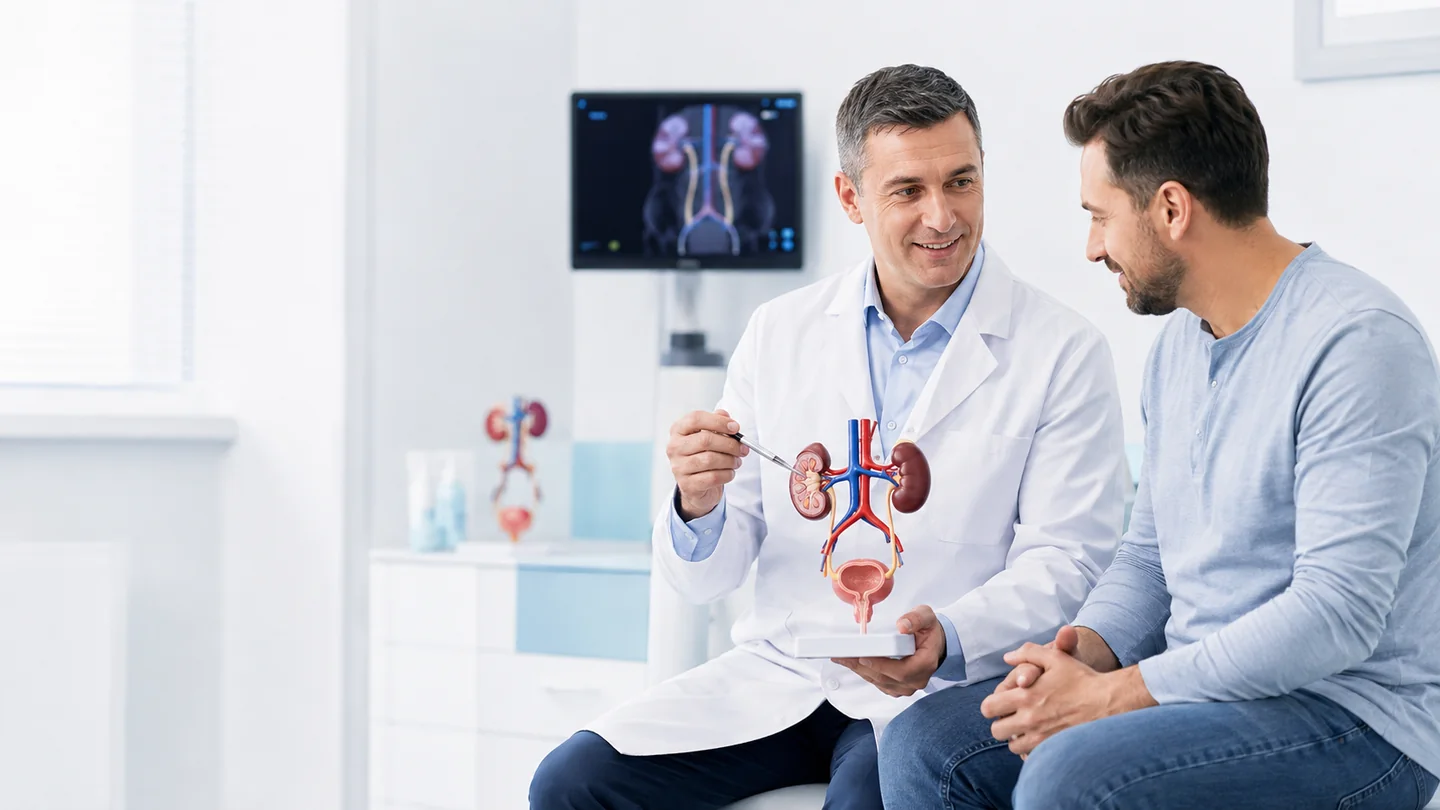
Urology treatment in Turkey should be based on imaging, laboratory results, symptoms, anatomy and the alternatives appropriate to the diagnosis. Stone procedures, prostate surgery, reconstructive operations and implants have very different aftercare needs. The written plan should explain anaesthesia, possible catheter, stent or drain use, infection prevention, pathology where relevant, expected urinary symptoms, emergency contact and the tests needed after return home.
At a glance
Urology pathways may include kidney-stone treatment, prostate procedures, reconstructive surgery and selected implant procedures depending on diagnosis.
Symptoms, imaging, urine or blood tests, anatomy, medicines and relevant previous procedures may affect treatment choice.
Some procedures may require temporary catheter, ureteric stent or drain use, which should be explained before treatment.
Where tissue is removed, ask how pathology results will be communicated and who follows them up.
Travel timing should reflect urinary function, pain, infection risk, device removal plans and the treating specialist review.
Compare the exact procedure, hospital, anaesthesia, devices, investigations and follow-up.
Treatment options
Stone treatment, prostate surgery, reconstructive procedures and implants address different diagnoses and require different follow-up. The urologist should connect the treatment choice to imaging, laboratory findings and symptoms.
HoLEP uses a holmium laser to remove obstructing prostate tissue from inside the urinary channel in selected patients with benign prostate enlargement.
View treatment guide →Hydrocelectomy removes or repairs the sac surrounding a hydrocele to treat persistent or symptomatic fluid around the testicle.
View treatment guide →Penile implant surgery places a prosthetic device to treat selected erectile dysfunction after assessment of alternatives, device choice and infection risk.
View treatment guide →PCNL removes selected large or complex kidney stones through a small tract created from the skin into the kidney under imaging guidance.
View treatment guide →Robotic prostatectomy removes the prostate using robot-assisted laparoscopic surgery for selected prostate-cancer cases after staging and multidisciplinary planning.
View treatment guide →TURP removes obstructing prostate tissue through the urethra to improve urinary flow in selected patients with benign prostate enlargement.
View treatment guide →Ureteroscopy and laser lithotripsy uses a small scope through the urinary tract to reach and fragment selected ureteric or kidney stones.
View treatment guide →Urethroplasty reconstructs a narrowed or damaged urethra using a technique selected for stricture location, length and previous treatment history.
View treatment guide →Urinary incontinence surgery includes selected sling, sphincter or reconstructive procedures chosen after defining the type and cause of leakage.
View treatment guide →Varicocelectomy treats enlarged scrotal veins by ligating selected veins, commonly for pain, testicular concerns or fertility-related indications after assessment.
View treatment guide →Treatments
Compare diagnostic findings, specialist responsibility, treatment options and practical follow-up across borders.

HoLEP uses a holmium laser to remove obstructing prostate tissue from inside the urinary channel in selected patients with benign prostate enlargement.
View treatment guide →
Hydrocelectomy removes or repairs the sac surrounding a hydrocele to treat persistent or symptomatic fluid around the testicle.
View treatment guide →
Penile implant surgery places a prosthetic device to treat selected erectile dysfunction after assessment of alternatives, device choice and infection risk.
View treatment guide →
PCNL removes selected large or complex kidney stones through a small tract created from the skin into the kidney under imaging guidance.
View treatment guide →
Robotic prostatectomy removes the prostate using robot-assisted laparoscopic surgery for selected prostate-cancer cases after staging and multidisciplinary planning.
View treatment guide →
TURP removes obstructing prostate tissue through the urethra to improve urinary flow in selected patients with benign prostate enlargement.
View treatment guide →
Ureteroscopy and laser lithotripsy uses a small scope through the urinary tract to reach and fragment selected ureteric or kidney stones.
View treatment guide →
Urethroplasty reconstructs a narrowed or damaged urethra using a technique selected for stricture location, length and previous treatment history.
View treatment guide →
Urinary incontinence surgery includes selected sling, sphincter or reconstructive procedures chosen after defining the type and cause of leakage.
View treatment guide →
Varicocelectomy treats enlarged scrotal veins by ligating selected veins, commonly for pain, testicular concerns or fertility-related indications after assessment.
View treatment guide →Cost & scope
Indicative Turkey market guidance checked on 2026-10-23. These figures are planning and comparison guides, not a Turkelite Medcare quotation. The final price depends on clinical assessment, the exact procedure, provider, hospital or clinic, technique, devices or materials, anaesthesia where applicable, length of stay and the written package scope.
Indicative 2026 Turkey market guidance: approximately USD 4,000-8,000. Final pricing requires an individual written quote after clinical assessment. Confirm all inclusions and exclusions before booking.
A sufficiently reliable current public market range was not verified for this exact procedure. Request a personalised written quotation after clinical assessment and confirm the complete package scope.
A sufficiently reliable current public market range was not verified for this exact procedure. Request a personalised written quotation after clinical assessment and confirm the complete package scope.
Indicative 2026 Turkey market guidance: approximately USD 3,000-5,000. Final pricing requires an individual written quote after clinical assessment. Confirm all inclusions and exclusions before booking.
Indicative 2026 Turkey market guidance: approximately USD 7,000-12,000 in current published international market data. Final pricing requires an individual written quote after clinical assessment. Confirm all inclusions and exclusions before booking.
Indicative 2026 Turkey market guidance: approximately USD 3,500-7,500. Final pricing requires an individual written quote after clinical assessment. Confirm all inclusions and exclusions before booking.
Indicative 2026 Turkey market guidance: approximately USD 2,500-4,000. Final pricing requires an individual written quote after clinical assessment. Confirm all inclusions and exclusions before booking.
A sufficiently reliable current public market range was not verified for this exact procedure. Request a personalised written quotation after clinical assessment and confirm the complete package scope.
A sufficiently reliable current public market range was not verified for this exact procedure. Request a personalised written quotation after clinical assessment and confirm the complete package scope.
Indicative 2026 Turkey market guidance: approximately USD 1,500-3,000. Final pricing requires an individual written quote after clinical assessment. Confirm all inclusions and exclusions before booking.
Guides & insights
Read more about treatment, planning, recovery, travel and follow-up.
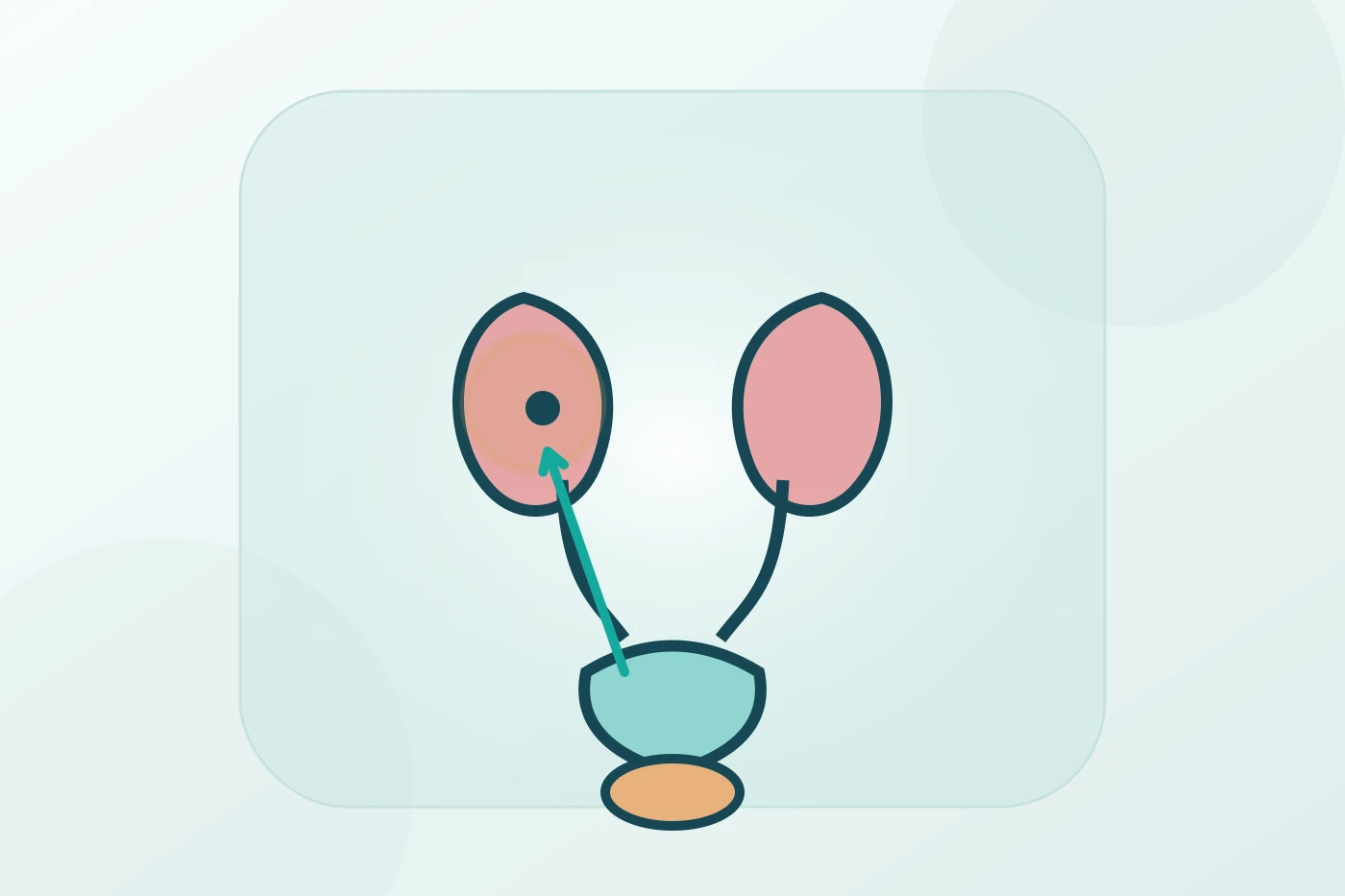
Kidney stone removal in Turkey: when ureteroscopy and laser lithotripsy are used, stents, alternatives, complication risks, recovery, travel and follow-up.
Read article →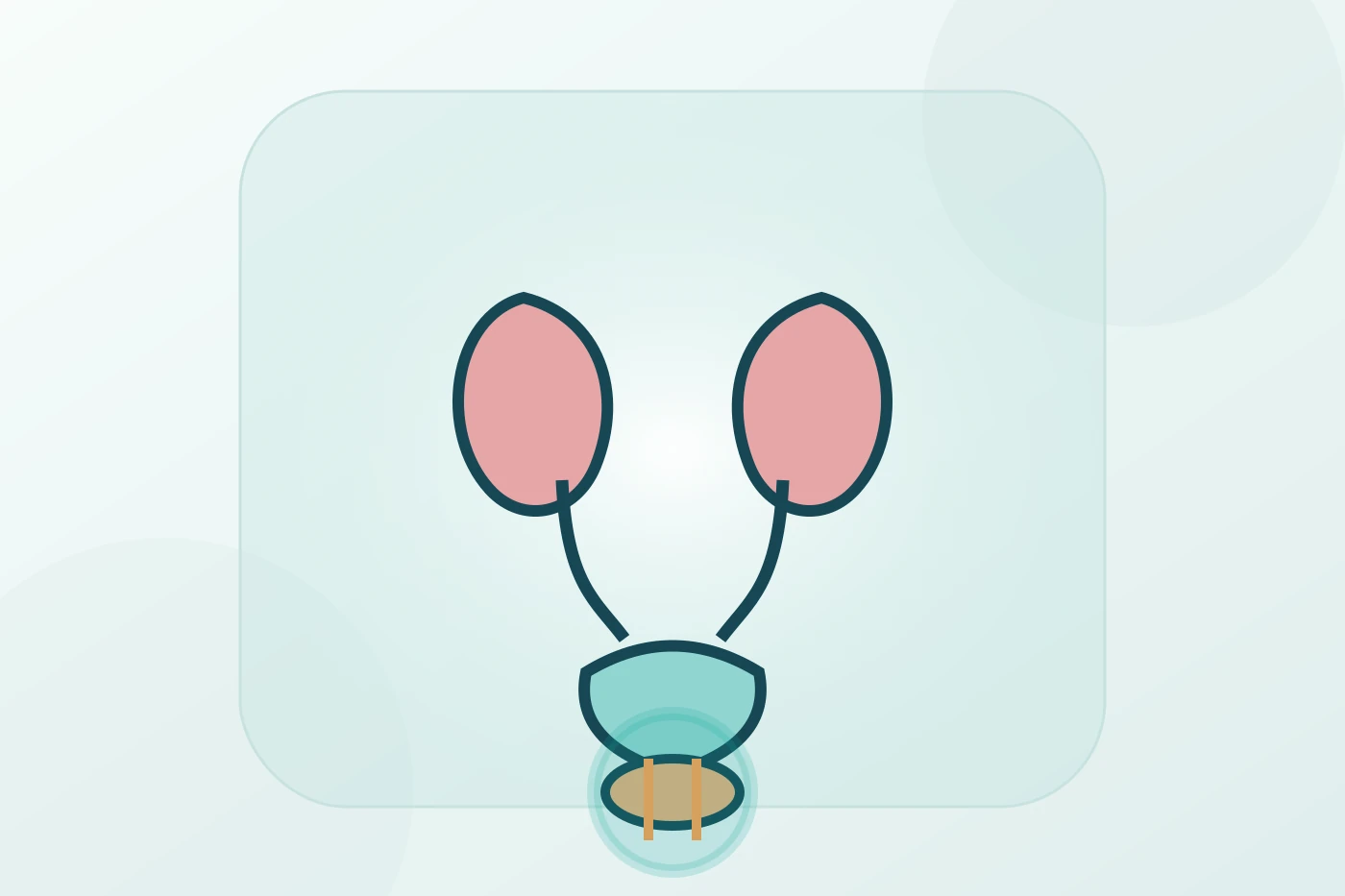
Penile implant surgery in Turkey: who may be considered, inflatable and malleable devices, satisfaction evidence, infection and revision risks, recovery, travel and follow-up.
Read article →Patient information
Diagnosis, procedure choice, catheter or stent decisions, pathology and follow-up remain the responsibility of the treating urology team. Turkelite Medcare coordinates communication and travel.
Last updated: 22 Oct 2026
Frequently asked questions
Safety depends on diagnosis, specialist, facility, anaesthesia, infection prevention, complication management and follow-up.
Depending on the condition, assessment may include imaging, urine tests, blood tests and procedure-specific evaluation.
Some urology procedures use temporary catheters or stents. Ask why it is needed, how long it remains and who removes it.
The required stay depends on procedure, urinary recovery, device plans and follow-up.
Travel should be confirmed by the treating urologist based on recovery and procedure-specific factors.
If tissue is sent to pathology, confirm who communicates the result and what follow-up is required after returning home.
Sources
Decision snapshot
The treating clinic and clinician should be identifiable, licensed and responsible for assessment, consent, treatment and clinical aftercare.
The treating clinic should explain suitability, alternatives, what could change after examination and where uncertainty remains.
The written scope should separate treatment, diagnostics, medicines, accommodation, transfers and anything that may cost extra.
You should know the expected milestones, warning signs, review schedule, records you receive and the route for urgent questions.
Your next step
Share your diagnosis, symptoms, available test results and travel preferences for coordinated urologist review.
Request My Treatment Plan →